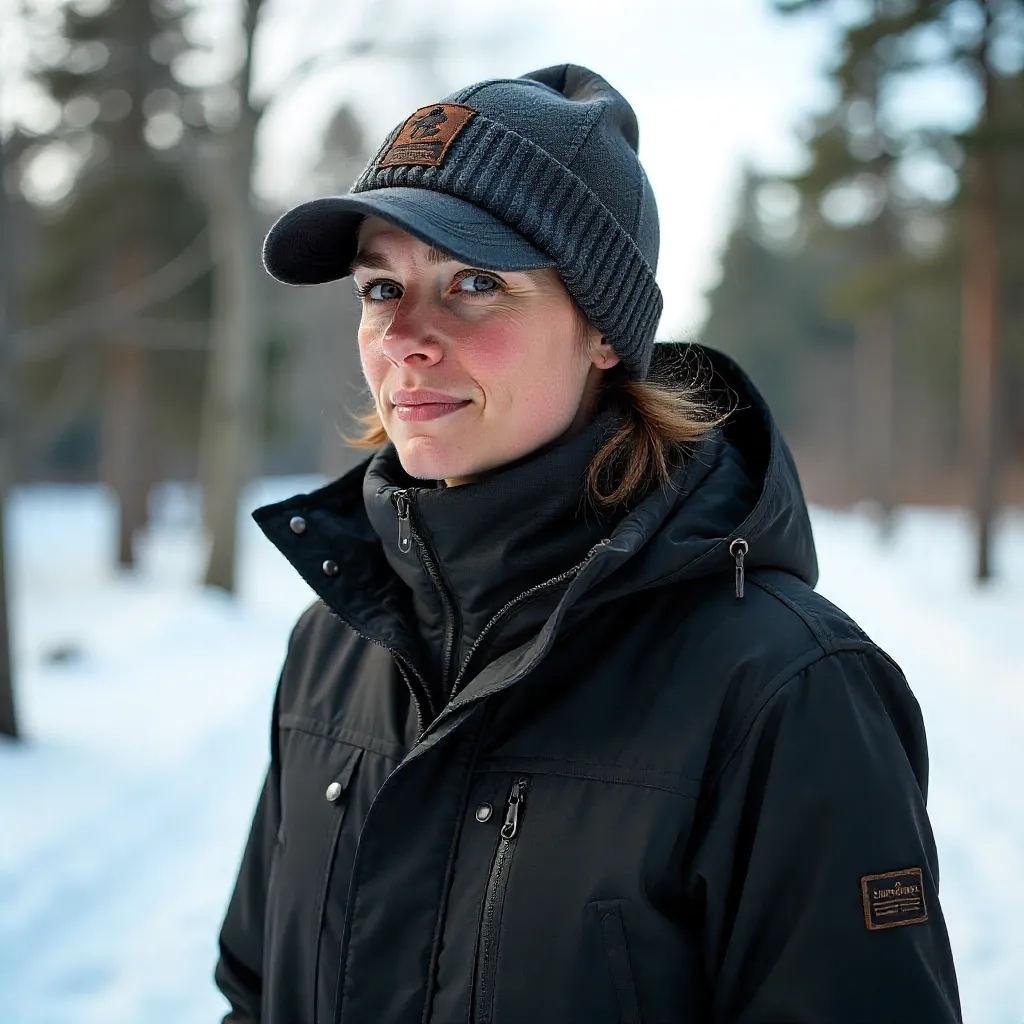
Systematic Style for the Subarctic
Climate Adaptation Framework
Our methodology analyzes Finnish weather patterns across four distinct seasonal phases. Each phase requires specific fabric compositions and layering strategies to maintain optimal thermal regulation.
The system categorizes conditions from slush and sleet transitions to deep frost periods, mapping garment compatibility against temperature ranges and daylight variations.
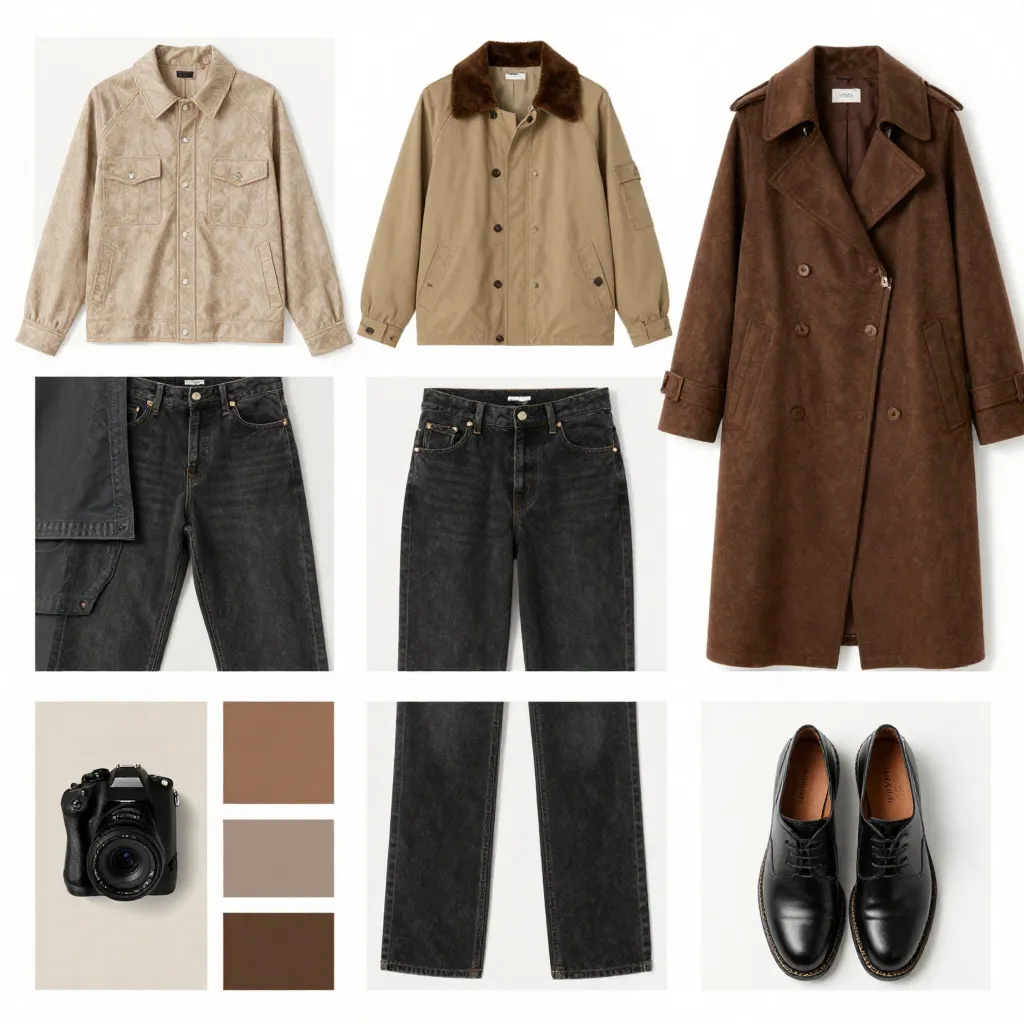
The Modular Matrix System
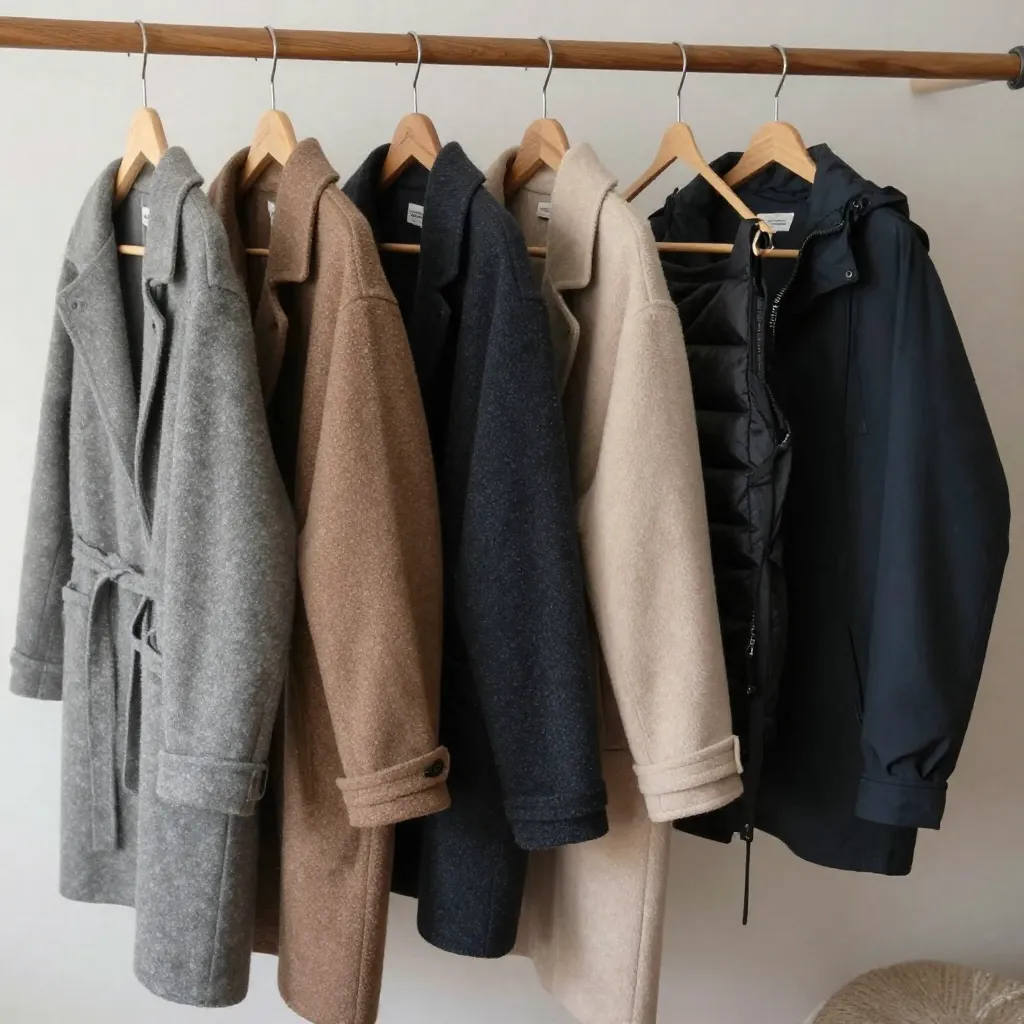
A visual inventory system demonstrating how core items combine to form multiple outfit configurations. Each combination is optimized for specific weather levels and activity requirements.

Core Base Layer
Merino wool and technical synthetic fabrics form the foundation. These materials provide moisture management and thermal insulation across temperature ranges.
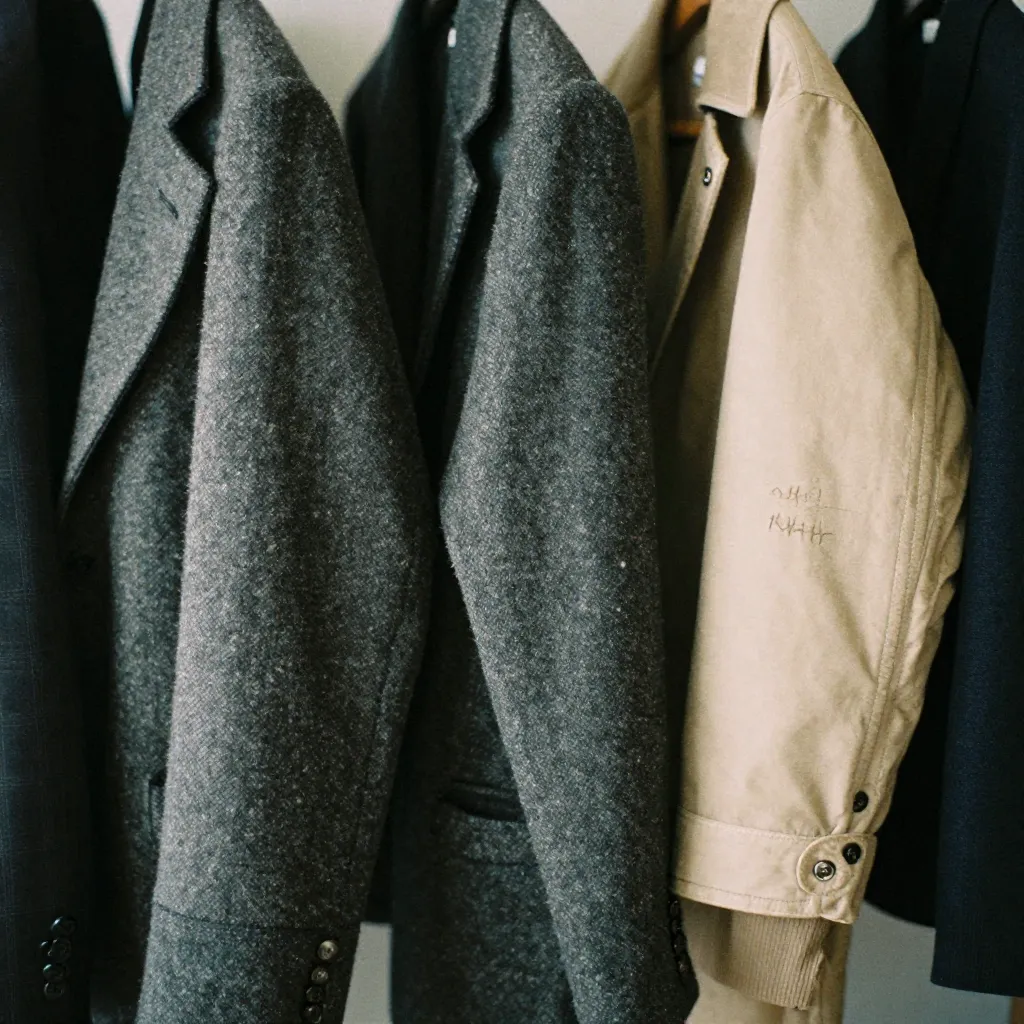
Adaptive Mid Layers
Interchangeable components that adjust to activity level and external conditions. Fleece, down, and synthetic insulation options provide flexibility.

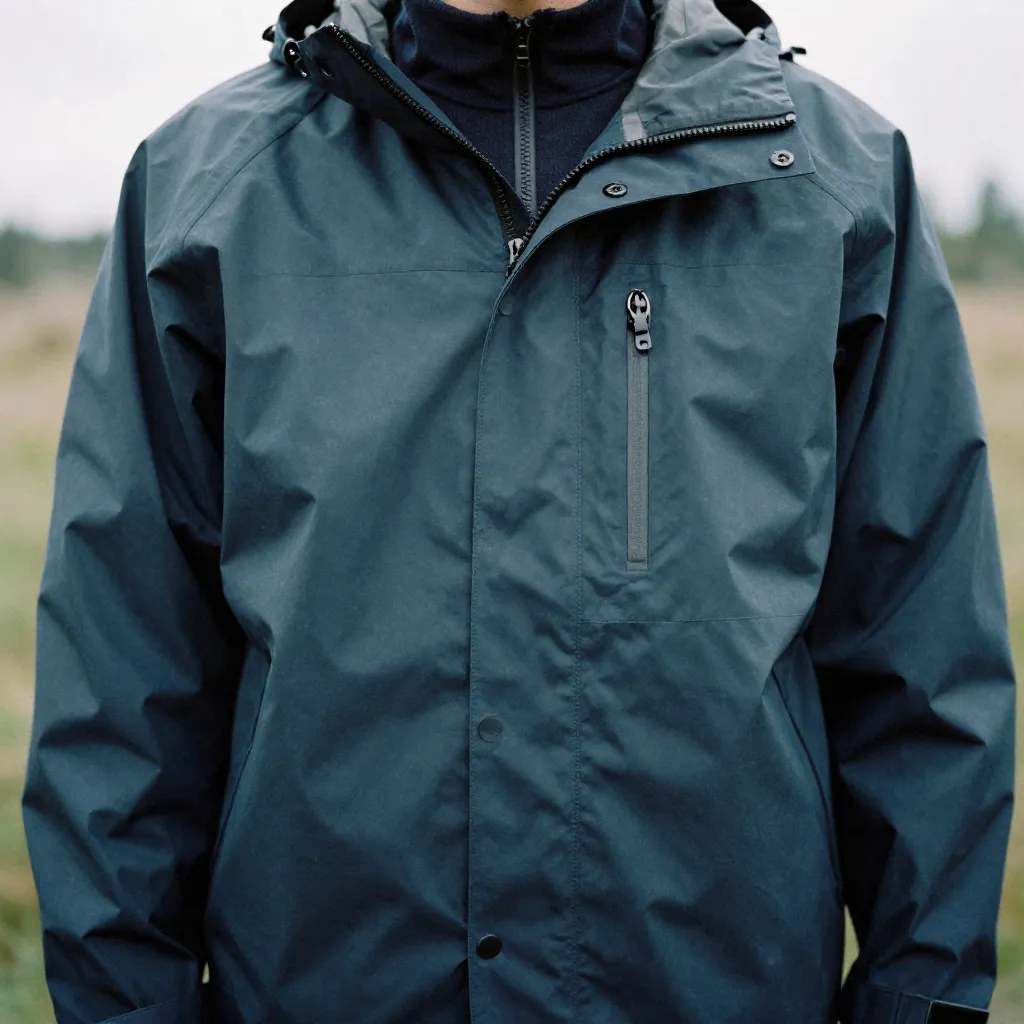
Weather Protection Shell
Recycled technical shells with varying breathability ratings. Designed to handle precipitation, wind, and temperature shifts while maintaining comfort.
Climate Adaptation Specifications
Fabric Technology by Weather Level
Level 1: Slush & Sleet Transition
Temperature range: -5°C to +5°C. Requires water-resistant outer layers with breathable membranes. Base layers focus on moisture-wicking properties to prevent thermal loss during wet conditions.
Recommended fabric compositions: Merino wool blends (200-250 gsm), technical polyester base layers, softshell mid-layers with DWR treatment.
Level 2: Deep Frost Period
Temperature range: -15°C to -5°C. Insulation becomes critical. Layering system must provide adequate thermal barriers while maintaining mobility.
Recommended fabric compositions: Higher weight merino (300+ gsm), synthetic or down insulation, windproof outer shells with sealed seams.
Compatibility Assessment System
Current Inventory Analysis
Input your existing wardrobe items to receive a compatibility score with the Finnish seasonal cycle. The system evaluates fabric composition, layering potential, and weather adaptability.
Each item receives a compatibility rating based on material properties, insulation value, and versatility across seasonal transitions.
Request Assessment
Seasonal Transition Visualization
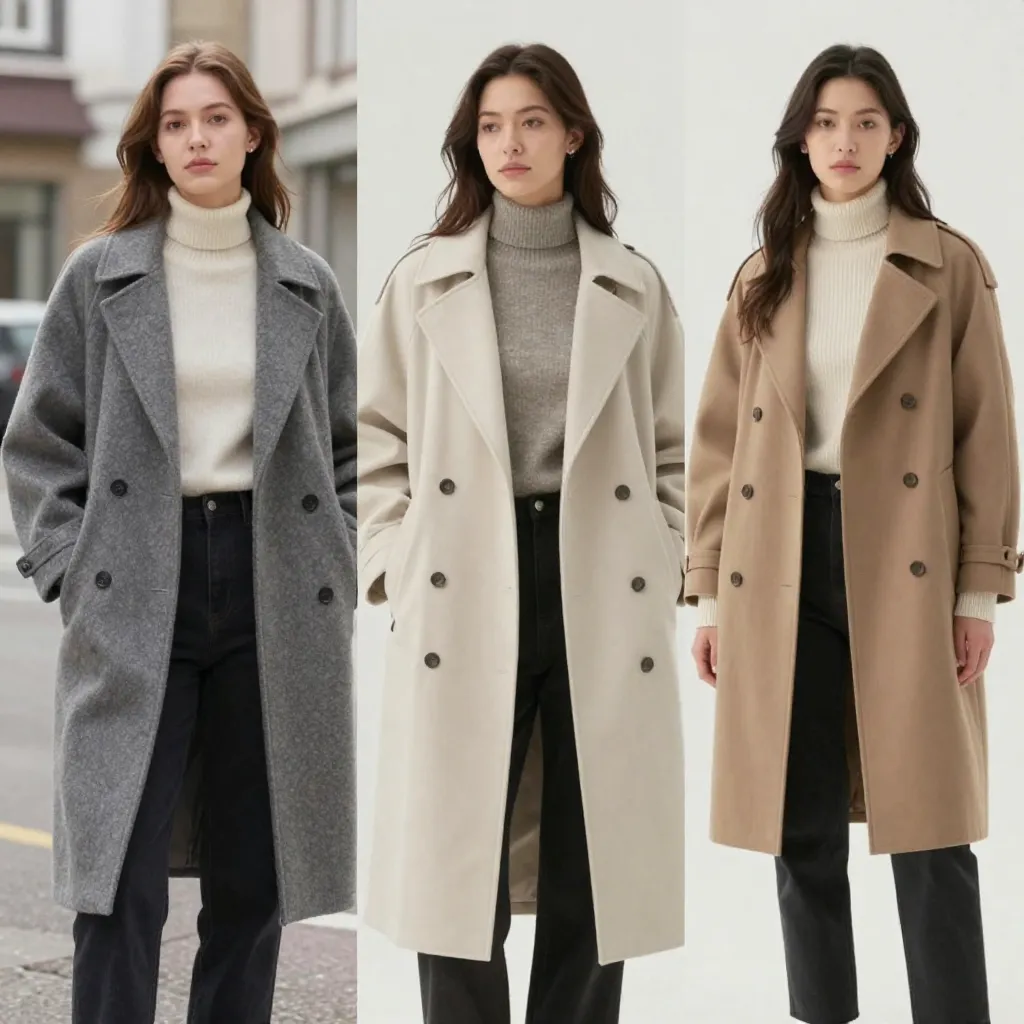
Observe how modular systems adapt across seasonal phases. The interface demonstrates garment transitions from light trench configurations to heavy-duty thermal parka systems.
October Configuration
Transition period requiring adaptable layering. Light to medium insulation with weather-resistant outer layers. Focus on versatility for fluctuating conditions.
- → Lightweight merino base (200 gsm)
- → Softshell mid-layer
- → Water-resistant trench or light parka
January Configuration
Peak winter demands maximum insulation and protection. Heavy-duty systems with multiple insulation layers and windproof barriers.
- → Heavyweight merino base (300+ gsm)
- → Down or synthetic insulation layer
- → Windproof thermal parka with sealed seams
Analytical Approach
Data Collection
Analysis of existing wardrobe inventory, activity patterns, and environmental exposure requirements.
Compatibility Mapping
Evaluation of current items against seasonal weather patterns and temperature ranges.
System Optimization
Identification of gaps and recommendations for modular additions to enhance versatility.
Implementation Guide
Detailed documentation for layering strategies and seasonal transition protocols.
Material Science Integration
Merino Wool Properties
Natural fiber with exceptional moisture management and odor resistance. Weight variations (200-300+ gsm) provide different insulation levels while maintaining breathability.
Optimal for base layers due to temperature regulation properties and comfort across extended wear periods.
Recycled Technical Shells
Advanced membrane technologies provide waterproof and breathable protection. Recycled materials reduce environmental impact while maintaining performance standards.
DWR treatments and sealed seam construction ensure protection during precipitation events and wind exposure.
Begin Your Compatibility Assessment
Schedule a consultation to analyze your current wardrobe system and receive recommendations for Nordic climate optimization.
Request Consultation