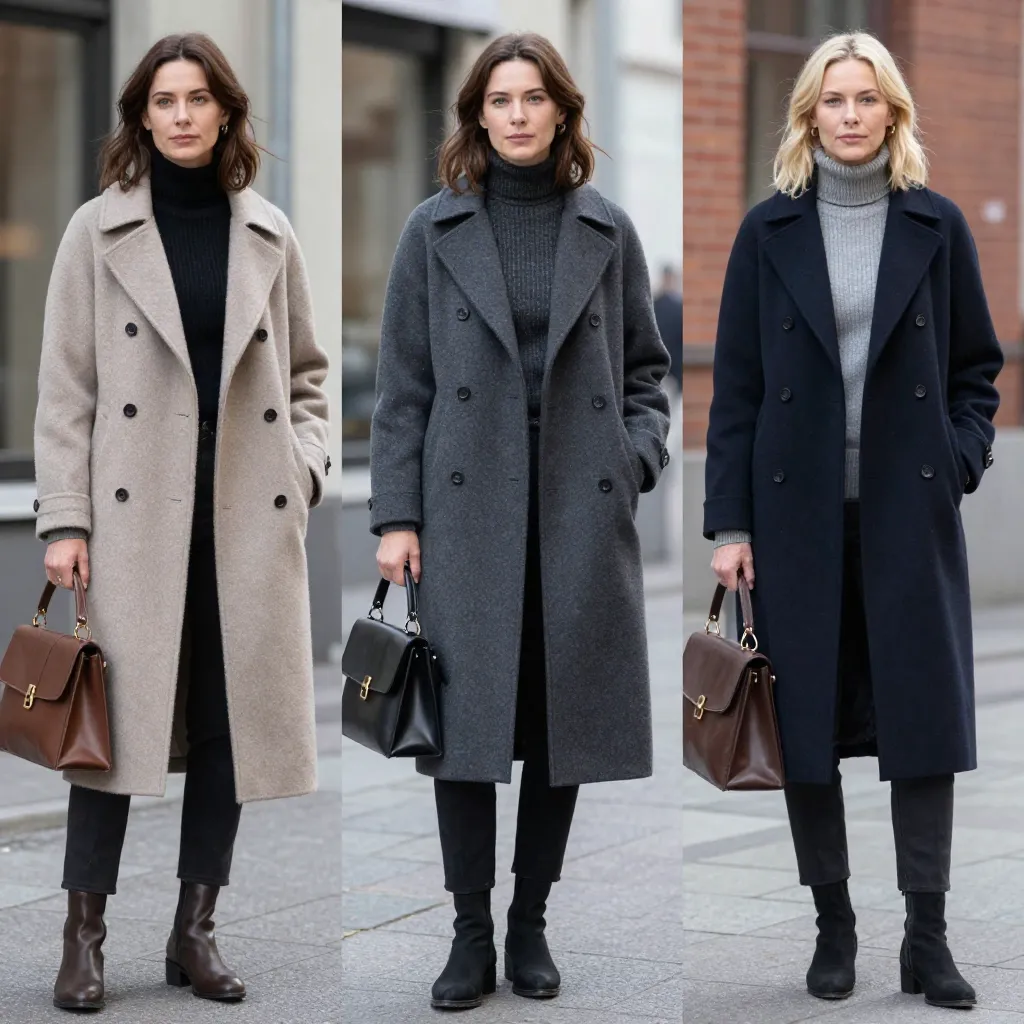
Systematic Design Philosophy
Data-Driven Approach
Our methodology is grounded in empirical analysis of weather patterns, fabric performance data, and thermal regulation principles. Each recommendation is based on measurable criteria rather than subjective preferences.
We analyze temperature ranges, precipitation patterns, wind conditions, and daylight variations to determine optimal garment combinations for specific environmental conditions.
The system categorizes clothing items by material composition, insulation value, breathability rating, and versatility across seasonal transitions.
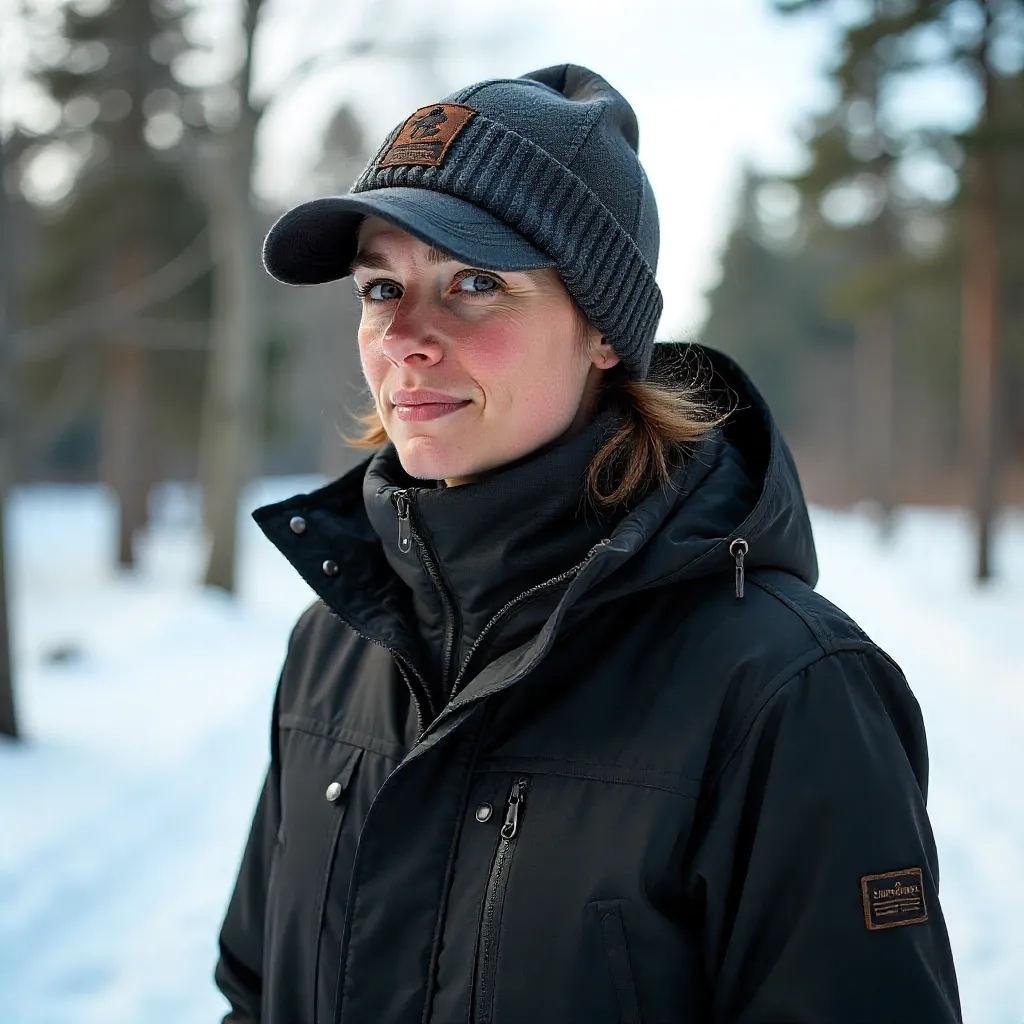
Assessment Process
Four-Phase Analysis Framework
Phase 1: Inventory Documentation
Comprehensive cataloging of existing wardrobe items. Each piece is documented with material composition, weight, condition, and current usage patterns.
Photographic documentation and detailed specifications create a baseline for compatibility analysis.
Phase 2: Climate Compatibility Mapping
Existing items are evaluated against Finnish seasonal weather data. Compatibility scores are calculated based on material properties and layering potential.
Gaps in seasonal coverage are identified through systematic comparison with weather pattern requirements.
Phase 3: Optimization Recommendations
Strategic additions are proposed to enhance modularity and seasonal adaptability. Recommendations prioritize versatility and multi-season functionality.
Each suggested item includes technical specifications and integration guidance for existing wardrobe systems.
Phase 4: Implementation Protocol
Detailed documentation provides layering strategies, transition timelines, and maintenance protocols for optimal performance.
Ongoing support ensures proper integration and adaptation as conditions change throughout the year.
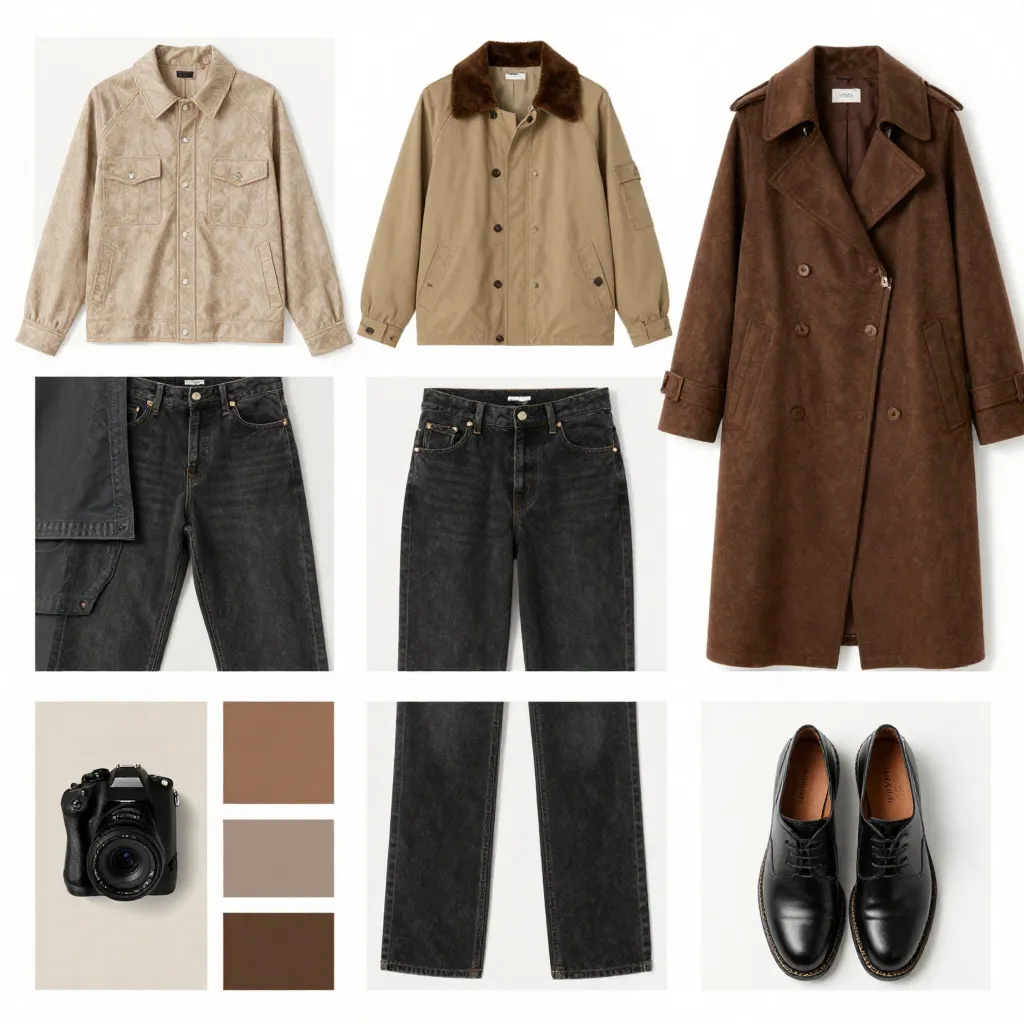
Material Science Integration

Fabric Technology Knowledge
Our recommendations are informed by understanding of textile properties including thermal conductivity, moisture management, breathability ratings, and durability characteristics.
We evaluate natural fibers (merino wool, alpaca) and synthetic materials (polyester, nylon, technical membranes) for their performance in specific environmental conditions.
Material composition analysis ensures optimal selection based on activity level, weather exposure, and personal comfort preferences.
Environmental impact considerations are integrated into recommendations, prioritizing sustainable materials and production methods when performance standards are maintained.
Nordic Climate Expertise
Finnish Seasonal Cycle Understanding
Finland's climate presents unique challenges with extreme temperature variations, extended darkness periods, and rapid seasonal transitions. Our methodology is specifically calibrated for these conditions.
Temperature Extremes
Systems must accommodate ranges from -30°C in winter to +25°C in summer. Layering strategies must provide flexibility for these extremes while maintaining comfort during transitional periods.
Light Variations
Extended darkness in winter and extended daylight in summer affect activity patterns and thermal regulation needs. Wardrobe systems must adapt to these light cycle variations.
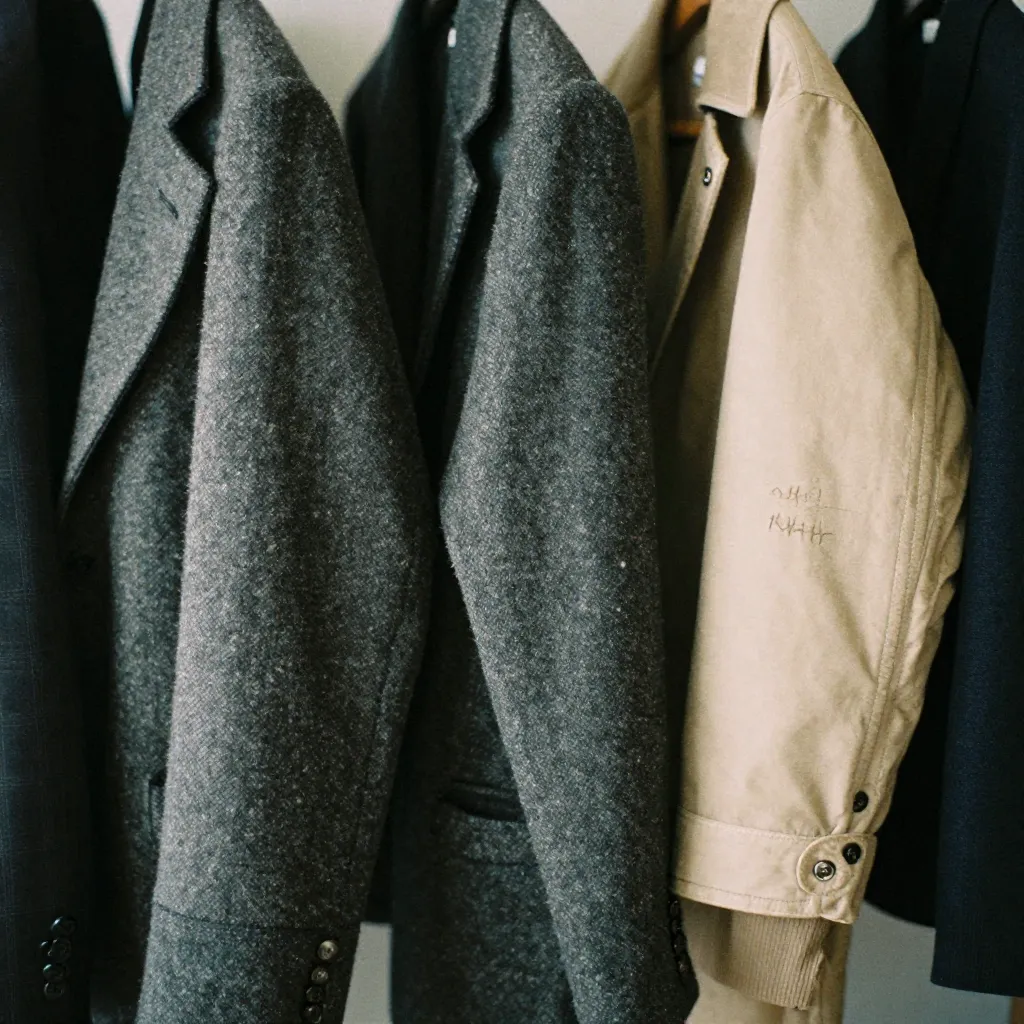
Systematic Optimization Benefits
Our approach reduces wardrobe complexity while increasing functional versatility. Modular systems minimize redundancy and maximize adaptability across seasonal transitions.
Efficiency
Fewer items with higher versatility reduce decision complexity and storage requirements while maintaining comprehensive seasonal coverage.
Performance
Material selection and layering strategies optimized for specific conditions ensure comfort and protection across environmental variations.
Sustainability
Strategic selection reduces consumption while prioritizing durable, high-quality items with extended functional lifespan.